

the 5pm question: why we reach for a drink and what it really means
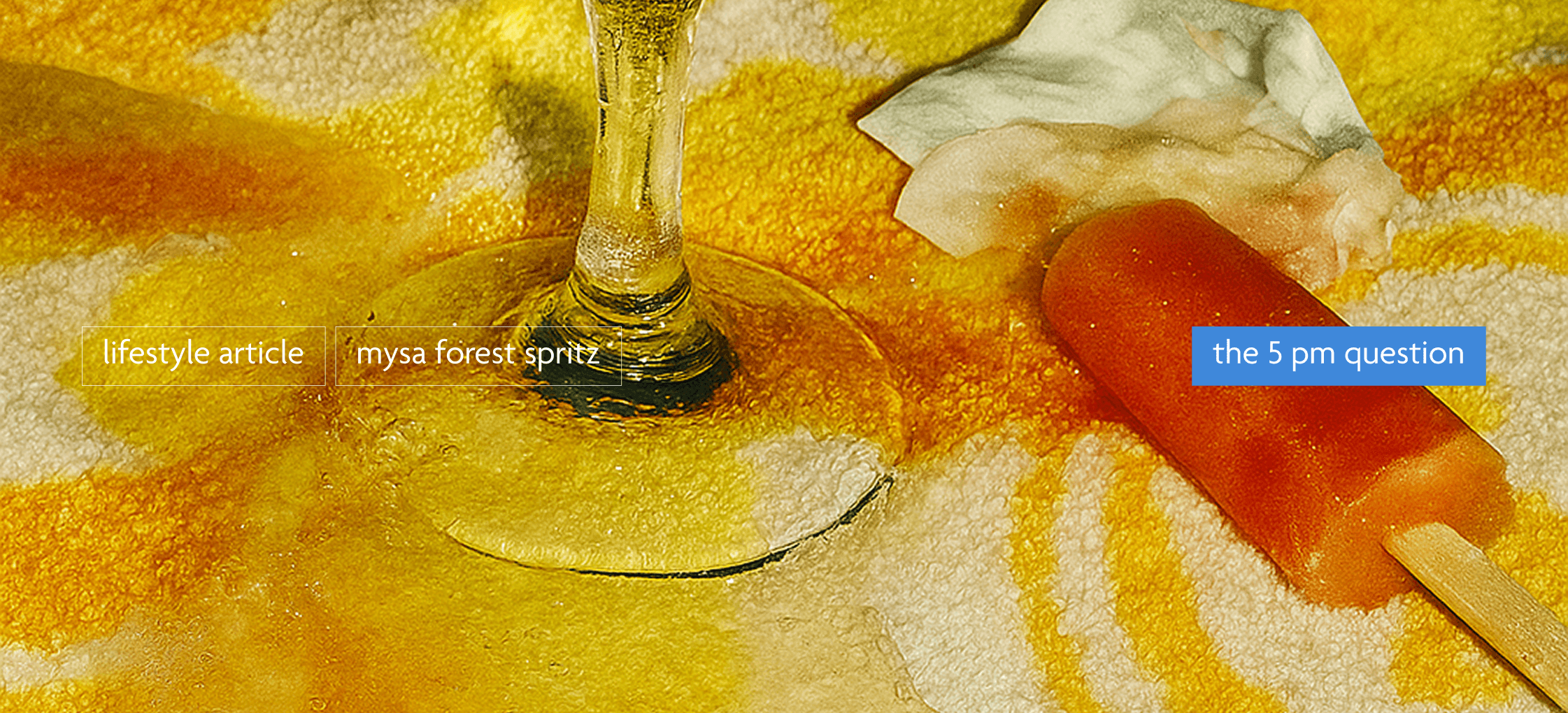
it is 5pm. maybe 5:30. maybe 6. the day is not over but the work is. something in you says: I want a drink.
this is the most universal moment in adult life. it crosses cultures, continents, and centuries. in Paris, it is the aperitif. in Brussels, it is the after-work beer. in Luxembourg, it is the glass of wine before dinner. the drink changes. the moment does not.
but here is the question almost nobody asks: what are you actually craving at 5pm? because it is not alcohol. alcohol is just the answer you have been given.
what the craving actually is
transition
the 5pm drink marks the boundary between two parts of your day. work ends. evening begins. without a ritual to mark this transition, the day bleeds together. you are still in work mode at 7pm. you are still checking email at dinner. the drink is a full stop.
this is why "just don't drink" does not work for most people. removing the drink without replacing the ritual removes the boundary. the craving is not for ethanol. it is for the signal that says: you are done for the day.
reward
you made it through the day. the drink is the reward. this is deeply conditioned. it may have started with your parents, or with your first after-work drinks in your twenties. the neural pathway is simple: effort, completion, reward.
the reward does not need to be alcohol. it needs to feel like a reward. it needs to be something you look forward to. something slightly indulgent. something that feels earned.
decompression
the 5pm drink takes the edge off. not through intoxication (one drink barely affects you physiologically) but through the act of slowing down. you pour something. you sit. you sip. your breathing changes. your posture changes. the drink is a decompression device.
again, alcohol is not required for this. the act of preparing a drink, holding it, and sipping slowly achieves the same physiological downshift. what matters is the ritual, not the molecule.
the psychology behind the ritual
this is not speculation. habit research consistently shows that rituals work through three components: cue, routine, and reward.
cue: the time of day (5pm), the end of work, arriving home, sitting down
routine: pouring a drink, opening a can, mixing something
reward: the taste, the moment of pause, the feeling of "evening has started"
the cue and the reward are the parts your brain cares about. the routine, the specific liquid in the glass, is interchangeable. this is why swapping the drink works when willpower does not. you are not fighting the craving. you are satisfying it differently.
research from the University of Sussex found that 80% of people who replaced their evening drink during Dry January were still drinking less six months later. the habit change stuck because the ritual was preserved.
what works at 5pm without alcohol
the replacement needs to pass three tests:
does it feel intentional, not default?
does it taste good enough to look forward to?
does it require a small act of preparation?
a non-alcoholic aperitif
this is the closest one-to-one replacement. a bitter, complex drink served cold, sipped slowly, paired with a small snack. mysa is made with 12 natural ingredients (pine, pomegranate, citrus, chili) and has 55 calories per can. pour it over ice, add an orange slice, sit down. the ritual is preserved. the signal fires. evening has started.
a homemade spritz
non-alcoholic aperitif, sparkling water, ice, citrus garnish. the act of mixing it takes 30 seconds but transforms the experience from "drinking a beverage" to "making my evening drink."
high-quality tonic water with a garnish
Fever-Tree or similar, over ice, with grapefruit or rosemary. the bitterness of quinine provides the adult flavour profile that juice and soda lack.
sparkling water with intention
this sounds basic, but context matters. sparkling water in a proper glass with a lime wedge, consumed while sitting on the balcony, is a different experience from sparkling water gulped at your desk. the ritual is in the how, not just the what.
the european 5pm
the aperitif tradition exists precisely because Europeans understood this moment centuries ago.
in Italy, aperitivo hour (roughly 5pm to 7pm) is a daily institution. a bitter drink, small bites, the transition from day to evening. it was never primarily about alcohol. it was about the pause.
in Paris, the aperitif is woven into restaurant culture. the pre-dinner drink is a course in itself. French cafe culture treats the act of sitting with a drink as a legitimate activity, not a prelude to something else.
in Brussels, the after-work drink is social infrastructure. the terraces along Place Flagey and Chatelain fill at 5:30pm. having a non-alcoholic aperitif here is increasingly normal, especially since Tournee Minerale normalised alcohol-free months a decade ago.
in Luxembourg, the evening ritual centres on wine culture and cafe terraces. the wine bar scene is strong, and non-alcoholic options are beginning to appear alongside traditional lists.
across all four cities, the 5pm ritual is alive. the only thing changing is what goes in the glass.
the shift is already happening
the numbers reflect it. according to the IWSR, the global no/low-alcohol market reached nearly $20 billion in 2023, doubling since 2019. NielsenIQ reports that Gen Z drinks 30% less than Millennials did at the same age. 34% of adults aged 18 to 34 identify as sober-curious.
these people are not skipping 5pm. they are redefining it. they still want the glass, the pause, the ritual. they just do not need it to contain alcohol.
the Lancet says the safest level of drinking is none. the WHO says no level of alcohol consumption is safe. but forget the science for a moment. the real reason people are switching their 5pm drink is simpler: they found something they like better.
the answer to the 5pm question. mysa is a bold, non-alcoholic aperitif built for this exact moment. 12 natural ingredients, 55 calories, and the signal your evening has started. explore mysa here.
faq
why do I crave a drink at 5pm?
the craving is for transition, reward, and decompression, not for alcohol specifically. the 5pm drink marks the boundary between work and evening. replacing it with a non-alcoholic ritual satisfies the same psychological need.
what can I drink at 5pm instead of alcohol?
a non-alcoholic aperitif like mysa over ice, a homemade spritz, tonic water with a garnish, or even sparkling water in a proper glass. the key is that it feels intentional and worth looking forward to.
is the 5pm drink habit unhealthy?
the ritual itself is healthy. marking transitions and creating moments of pause is good for mental health. the question is only whether the liquid in the glass serves you or works against you.
how do I break the habit of drinking at 5pm?
do not break the habit. redirect it. keep the time, keep the glass, keep the ritual. change the drink. research shows this approach is far more effective than willpower alone.
what is the aperitif tradition?
the aperitif (or aperitivo) is a European tradition of serving a light, usually bitter drink before dinner to stimulate appetite and mark the transition to evening. it dates back over 200 years and is practiced daily across Italy, France, Belgium, and beyond.
you may also like
Beyond Belgian Beer: A Guide to Non-Alcoholic Drinks in Brussels
What to Drink at a Luxembourg After-Work When You're Not Drinking
newsletter
©mysa, 2024