

natural ingredients in non-alcoholic drinks: what to look for
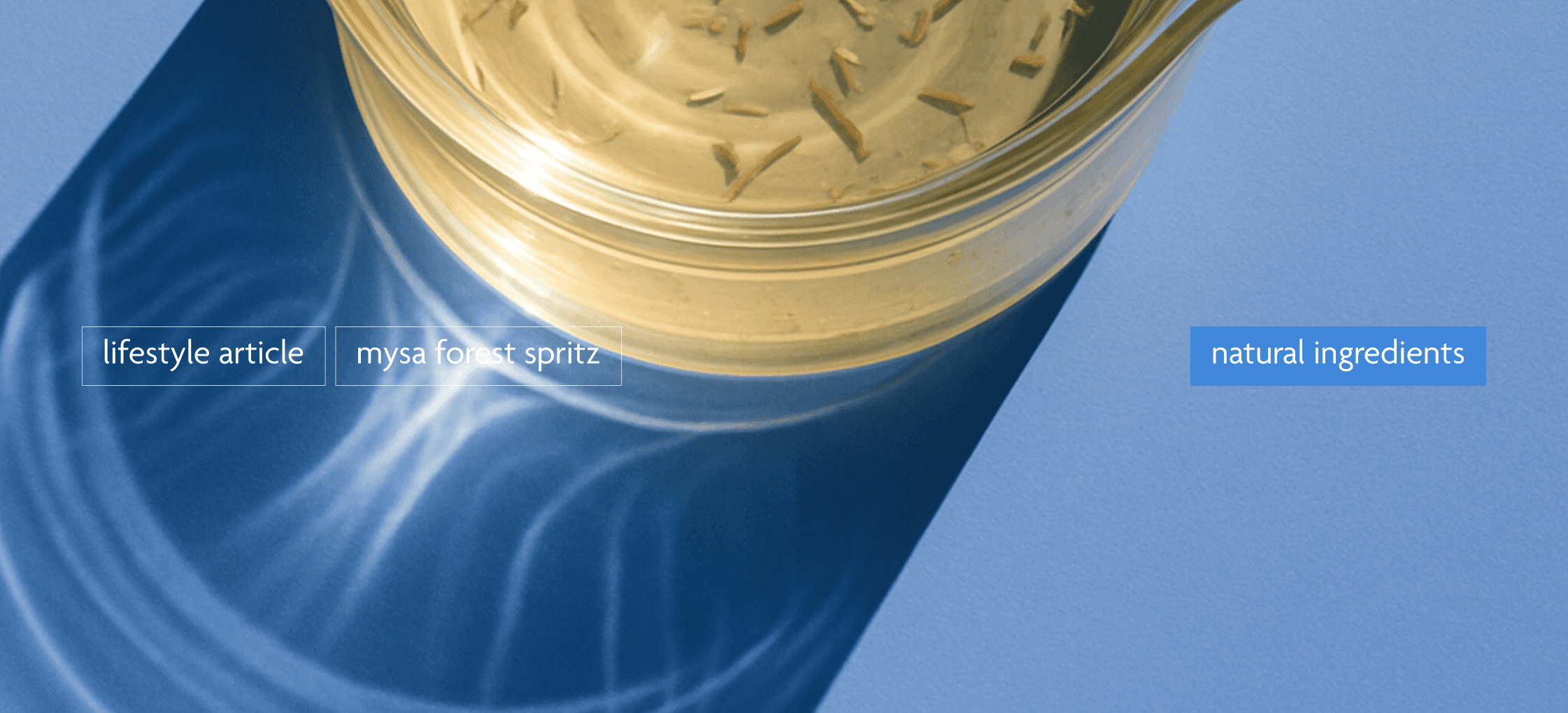
the most important thing to look for in a non-alcoholic drink is the ingredient list. if the first few ingredients are water, sugar, citric acid, and "natural flavours," you are drinking a soft drink with better marketing. if you see actual botanicals, real fruit, and recognisable ingredients, you are drinking something that was made with intention.
here is how to tell the difference.
why do ingredients matter more in non-alcoholic drinks?
in alcoholic drinks, ethanol does a lot of the work. it provides warmth, body, and a distinctive mouthfeel. remove the alcohol and you need something else to create complexity. the best non-alcoholic drinks replace ethanol with layers of botanical flavour: bitterness, spice, acidity, and aroma.
cheap non-alcoholic drinks skip this step. they rely on sweeteners, artificial flavours, and citric acid to create a vague impression of complexity. the result tastes flat and one-dimensional.
according to the IWSR, non-alcoholic spirits are growing at 15 to 20% annually, and the brands winning are the ones investing in real ingredients, not shortcuts.
what to look for on the label
real botanicals
look for named plants, herbs, and spices. things like gentian root, wormwood, chinotto, pine, rosemary, chamomile, or cardamom. these are the building blocks of flavour in traditional aperitifs and bitters. if a drink lists specific botanicals, the maker likely spent time on extraction and blending.
mysa, for example, uses 12 natural ingredients: pine, pomegranate, citrus, chili, ginger, cinnamon, clove, cardamom, star anise, juniper, chinotto, and gentian. each contributes a specific layer of flavour, from the bitterness of gentian to the warmth of chili.
real fruit vs artificial sweeteners
this is the biggest dividing line. in July 2023, the WHO classified aspartame as "possibly carcinogenic" (Group 2B). a month earlier, the WHO issued guidance recommending against using non-sugar sweeteners for weight control.
a 2022 study published in Cell (Suez et al., Vol 185) found that sucralose and saccharin significantly altered gut microbiome composition within just two weeks of regular consumption.
the IFIC Food and Health Survey found that 60% of consumers now actively avoid artificial sweeteners.
real fruit sugar is not zero-calorie. mysa has 55 calories per 250ml can, all from real fruit juice. but those calories come with actual flavour and none of the concerns around synthetic sweeteners.
recognisable sourcing
the best brands name where their ingredients come from. Sicilian chinotto. Georgian pine. Indian cardamom. this is not just marketing. origin affects flavour the same way it does in wine or coffee.
short ingredient lists
a non-alcoholic drink with 20+ ingredients, half of which are stabilisers and emulsifiers, is over-engineered. the best drinks keep it simple: water, botanical extracts, fruit juice, carbonation. if you cannot pronounce most of the ingredients, that is a signal.
red flags on non-alcoholic drink labels
"natural flavours" as a primary ingredient: this is a catch-all term that can mean almost anything. it is not necessarily bad, but it tells you nothing about what is actually in the drink
sucralose, aspartame, acesulfame-K: artificial sweeteners. widely used in cheaper non-alcoholic drinks
high fructose corn syrup: processed sugar with no flavour benefit
long lists of E-numbers: preservatives and stabilisers that suggest mass production over craft
"proprietary blend": usually means the brand does not want you to know what is in it
how mysa approaches ingredients
mysa was built ingredient-first. the 12 botanicals were selected for their flavour contribution, not as label decoration:
pine: resinous, fresh, distinctly European
pomegranate: tart and fruity. pomegranate contains punicalagins, compounds shown to have antioxidant activity
chinotto (Citrus myrtifolia): the bitter citrus used in traditional Italian sodas. provides the backbone bitterness
chili: gentle heat that builds slowly
gentian root: the classic bittering agent in European aperitifs for centuries
ginger, cinnamon, clove, cardamom, star anise, juniper, citrus: the supporting cast that creates depth and warmth
the result is 55 calories, zero artificial sweeteners, and a flavour profile complex enough to sip on its own or pair with food.
want to see what a clean-label non-alcoholic drink looks like? explore mysa and its 12 natural ingredients here.
faq
what ingredients should I avoid in non-alcoholic drinks?
artificial sweeteners (aspartame, sucralose, acesulfame-K), high fructose corn syrup, and long lists of stabilisers or preservatives. look for real botanicals and fruit instead.
are "natural flavours" actually natural?
"natural flavours" is a regulated term meaning the flavouring is derived from a natural source, but it tells you nothing specific about what that source is. it is better than artificial flavours, but named botanicals are more transparent.
why are some non-alcoholic drinks so sweet?
sweetness is cheap to produce and broadly appealing. many mass-market non-alcoholic drinks load up on sugar or sweeteners because it is easier than developing complex botanical blends. the better products balance sweetness with bitterness, acidity, and spice.
does mysa use artificial sweeteners?
no. mysa uses only real fruit sugar. the 55 calories per can come entirely from natural fruit juice. no aspartame, no sucralose, no stevia.
what are botanicals in drinks?
botanicals are plant-derived ingredients used for flavour: roots, bark, leaves, flowers, seeds, and fruit. examples include gentian root (bitter), juniper berries (piney), chamomile (floral), and chinotto (citrus bitter). they are the foundation of traditional European aperitifs and bitters.
you may also like
Beyond Belgian Beer: A Guide to Non-Alcoholic Drinks in Brussels
What to Drink at a Luxembourg After-Work When You're Not Drinking
newsletter
©mysa, 2024