

aluminium cans vs glass bottles: which is more sustainable?
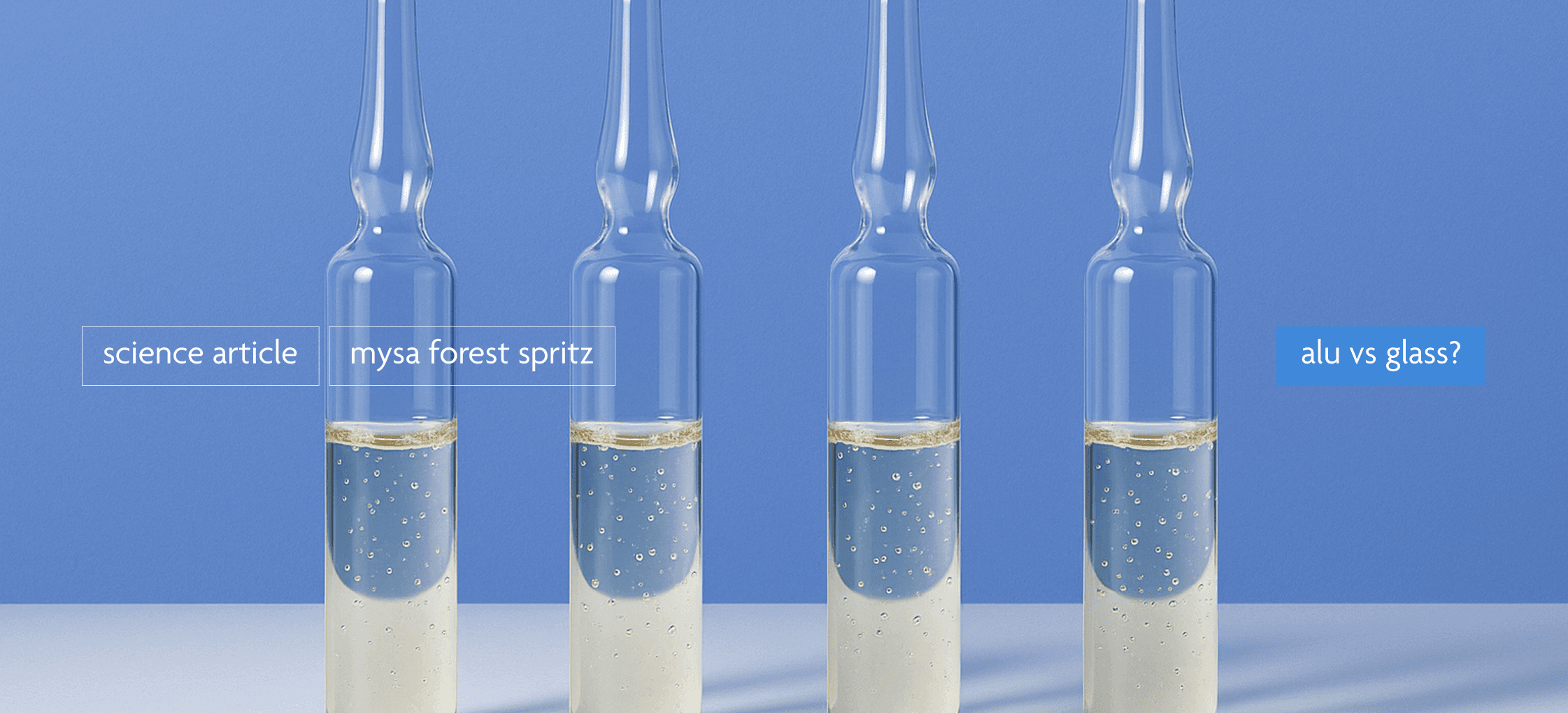
aluminium cans vs glass bottles: which is more sustainable?
aluminium cans win on nearly every sustainability metric. they're lighter, easier to recycle, contain more recycled content, and have a significantly lower carbon footprint per litre than glass bottles.
here's what the data says:
recycling: aluminium is infinitely recyclable
aluminium can be recycled over and over again with no loss in quality. a recycled can can be back on the shelf as a new can in as little as 60 days. (source: The Aluminium Association)
glass is also recyclable, but the process is less efficient. glass requires higher temperatures to melt, and colour contamination can limit recyclability.
the numbers:
aluminium cans: 43% recycling rate in the US; 76% in Europe (source: Can Manufacturers Institute / European Aluminium)
glass bottles: 39.6% in the US; varies widely in Europe (source: EPA)
70% of all aluminium ever produced is still in use today (source: International Aluminium Institute)
energy: recycling aluminium uses 95% less energy
producing new aluminium from raw bauxite ore is energy-intensive. but recycling it uses only 5% of that energy. (source: US EPA / The Aluminium Association)
glass recycling saves energy too, but the savings are smaller: roughly 30% compared to new production.
this is one of the biggest arguments for aluminium. the more cans that get recycled, the more the system improves.
recycled content: cans lead
aluminium cans contain an average of 73% recycled material. glass bottles average about 23%. (source: Can Manufacturers Institute)
that means every can you hold is already mostly recycled aluminium. every glass bottle is mostly new material.
carbon footprint: weight is everything
a standard aluminium can weighs about 15 grams. a glass bottle weighs 350 to 500 grams. that's 20 to 30 times heavier.
this matters enormously for transport. heavier packaging means more fuel, more trucks, more emissions at every stage of the supply chain.
the carbon footprint of US aluminium can production has dropped more than 40% since the 1990s. (source: The Aluminium Association) and because cans are lighter, the total lifecycle carbon footprint per litre of beverage is 45 to 55% lower for cans than for glass.
what about plastic?
plastic bottles are lighter than glass but not infinitely recyclable. most plastic can only be recycled a few times before degrading. and global plastic recycling rates remain low, at roughly 9% worldwide. (source: OECD, 2022)
aluminium doesn't degrade. it recycles cleanly, indefinitely.
why mysa chose aluminium
we chose cans for the same reasons the data supports them. they're lighter. they chill faster. they travel better. and they're the most sustainable packaging option available at scale.
mysa comes in a 250ml sleek aluminium can. raw aluminium at the top, tactile label on the lower half. designed to feel premium without pretending to be something it's not.
we didn't land on the can overnight. we considered glass. but on a long enough timeline, there is no space for glass when sustainability matters. the data made the decision for us.
frequently asked questions
are aluminium cans better for the environment than glass?
yes, on most metrics. cans are lighter (15g vs 350-500g), contain more recycled content (73% vs 23%), and use 95% less energy to recycle. their lifecycle carbon footprint per litre is 45-55% lower than glass.
can aluminium cans be recycled infinitely?
yes. aluminium can be recycled indefinitely with no loss in quality. 70% of all aluminium ever produced is still in use today.
how much energy does recycling aluminium save?
recycling aluminium uses only 5% of the energy needed to produce it from raw bauxite ore. that's a 95% energy saving. (source: EPA)
what is the recycling rate for aluminium cans?
approximately 43% in the US and 76% in Europe. glass bottles are recycled at 39.6% in the US.
why does mysa come in a can?
sustainability, portability, and design. aluminium is infinitely recyclable, lighter than glass, and keeps the drink colder longer.
you may also like
Beyond Belgian Beer: A Guide to Non-Alcoholic Drinks in Brussels
What to Drink at a Luxembourg After-Work When You're Not Drinking
newsletter
©mysa, 2024